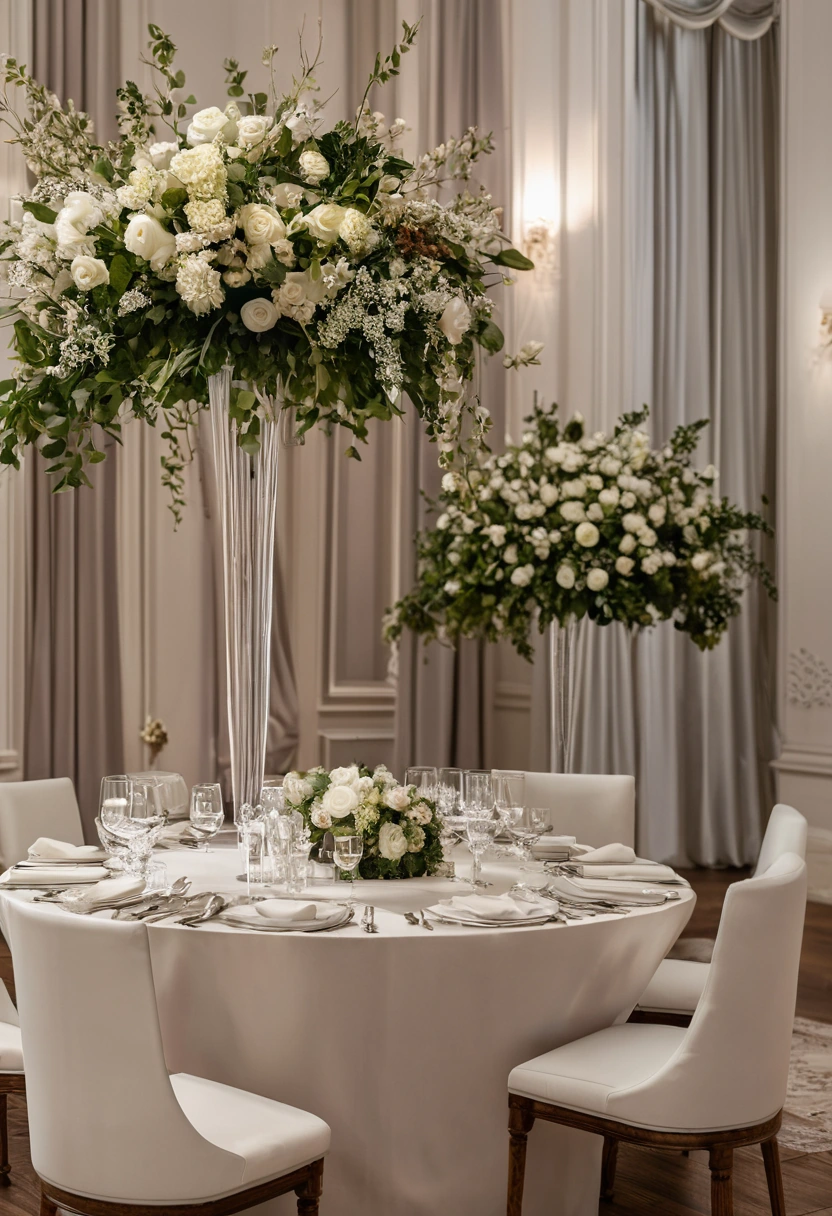
Coordinate Furniture, Flowers, and Table Settings as One Event Design
A floral proposal may be lovely, and a furniture proposal may be lovely, yet the two can fail when they meet on a fully set table. Modenese Interiors approaches rooms as coordinated interiors; an event planner can apply the same discipline to a temporary room. Table width, chair finish, linen, vessels, flowers, lighting, and service need to be tested together at real scale.
The question is not whether every element has the same color. It is whether guests can see and talk across the table, staff can serve, water stays off vulnerable surfaces, and the overall image still has a clear hierarchy. The most useful approval is a complete place setting beside the actual furniture, under the event lighting.
Start with the table's working surface
Draw the table at its real width. Add plates, glasses, cutlery, shared dishes, place cards, menus, and the proposed vessel footprint. Leave room for hands to use the setting and for servers to set down or clear items. A centerpiece that fits the bare table may be impractical once the meal begins.
Ask whether the meal is plated, family style, or buffet service. Shared dishes need a different center zone from a plated meal. If guests will sign a book or receive a favor at the table, those objects require space too. Treat them as part of the setting rather than late additions around the vase.
A mock-up with tape can show the footprint, but a physical table reveals height and reach. Sit opposite another person and check whether you can maintain eye contact around the arrangement. Try the service route while chairs are occupied. If flowers must be moved during dinner, the design has probably put them in the wrong place or chosen the wrong scale.
Let furniture set the structural rhythm
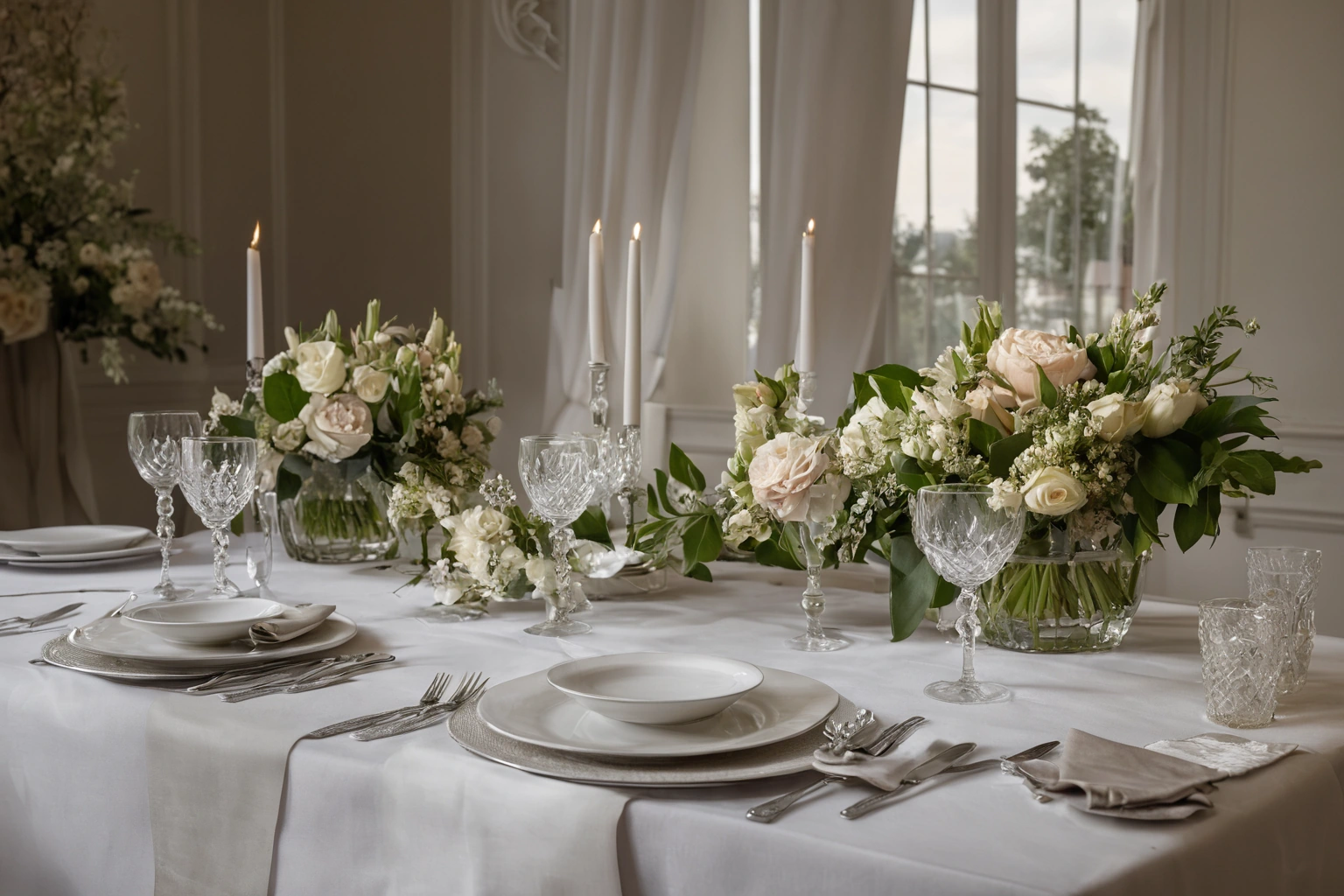
Furniture usually occupies the most visual area in a room. Its repeated backs, legs, and table edges create a structural pattern before flowers are added. Decide whether the event should feel formal and symmetrical, relaxed and varied, or deliberately theatrical. Then choose floral forms that support that intention.
A classic chair with a high back may already provide vertical detail. A tall arrangement beside every chair can make the room visually dense. A plain table and chair might welcome more elaborate flowers. There is no universal formula; compare both options from the entrance, from the seated guest position, and in photographs under the intended light.
The Smithsonian Institution Archives' activity on ordering principles explains rhythm through repeated forms and hierarchy through differences of size, color, and position. It discusses architecture, not event styling, but offers useful language for deciding which element should lead and which should support. Repetition across table, chair, and flowers can connect the room without making every detail identical.
Choose one dominant line. It might be a long banquet table, a ring of round tables, or a view toward a ceremony backdrop. Flowers can reinforce that line through repeated low arrangements or a controlled change in scale near the focal point. If every table tries to be the visual center, the room loses direction.
Protect materials from water and heat
Fresh flowers need water, while many furniture and textile finishes need protection from it. Use a vessel or tray that does not leak or scratch. Test it on the actual tabletop or sample with the event linen. Avoid placing water-heavy arrangements where a guest will have to lift them to pass food.
The Royal Horticultural Society's cut-flower guidance recommends clean vases, water checks, and keeping flowers away from heat sources. A florist should manage conditioning and species-specific needs. For the planner, the implication is logistical: provide a preparation area, confirm when arrangements arrive, and ensure that water and discarded stems are handled without damaging the furniture or floor.
The Canadian Conservation Institute notes that water spills can mark wood finishes and that handling can damage wooden furniture. Its guidance is for care of wood, not a guarantee about a particular table. Ask the table supplier what protective layer is approved. A plastic sheet that traps moisture may be worse than an appropriate tray or linen barrier.
Flowers and candlelight are sometimes proposed together. Check the venue's fire policy, the florist's plant choices, and the real location of flames or heating equipment. An arrangement that looked safe in a studio may sit beneath a fixture or beside a moving guest in the venue. Do not infer safety from a rendering.
| Element | Question | Trial |
|---|---|---|
| Table | Is there enough working surface? | Set the full meal service |
| Chair | Does its back alter the visual rhythm? | View from entrance and seated height |
| Flowers | Do height and spread allow conversation? | Sit opposite a guest |
| Vessel | Could water or a base mark the finish? | Test approved protection |
| Linen | Does it move or bunch under service? | Pull chairs and set dishes |
Choose textiles for the room's use
A tablecloth can unify hired tables, soften sound, and give a classic room a calm base. It can also drag beneath chairs, hide a useful table edge, or collect spills. Check drop length with occupied chairs. A runner may show the furniture's finish but should not create a ridge under plates or unstable vessels.
Upholstery and linen should be compared in the same light. A white fabric may appear warm or cool beside another white. Gold or polished wood can shift color under colored event lighting. Take samples to the venue and photograph them without a strong filter. Record the approved combination so the supplier does not substitute a near match on installation day.
The Canadian Conservation Institute's textile care note explains that fibers differ in how they respond to environment and handling. That is a reason to ask the rental company and florist about treatment, not to assume one cleaning method suits every linen or upholstered chair. The event handover should identify which items can be spot-cleaned and who is responsible for them.
Plan installation and removal as design phases
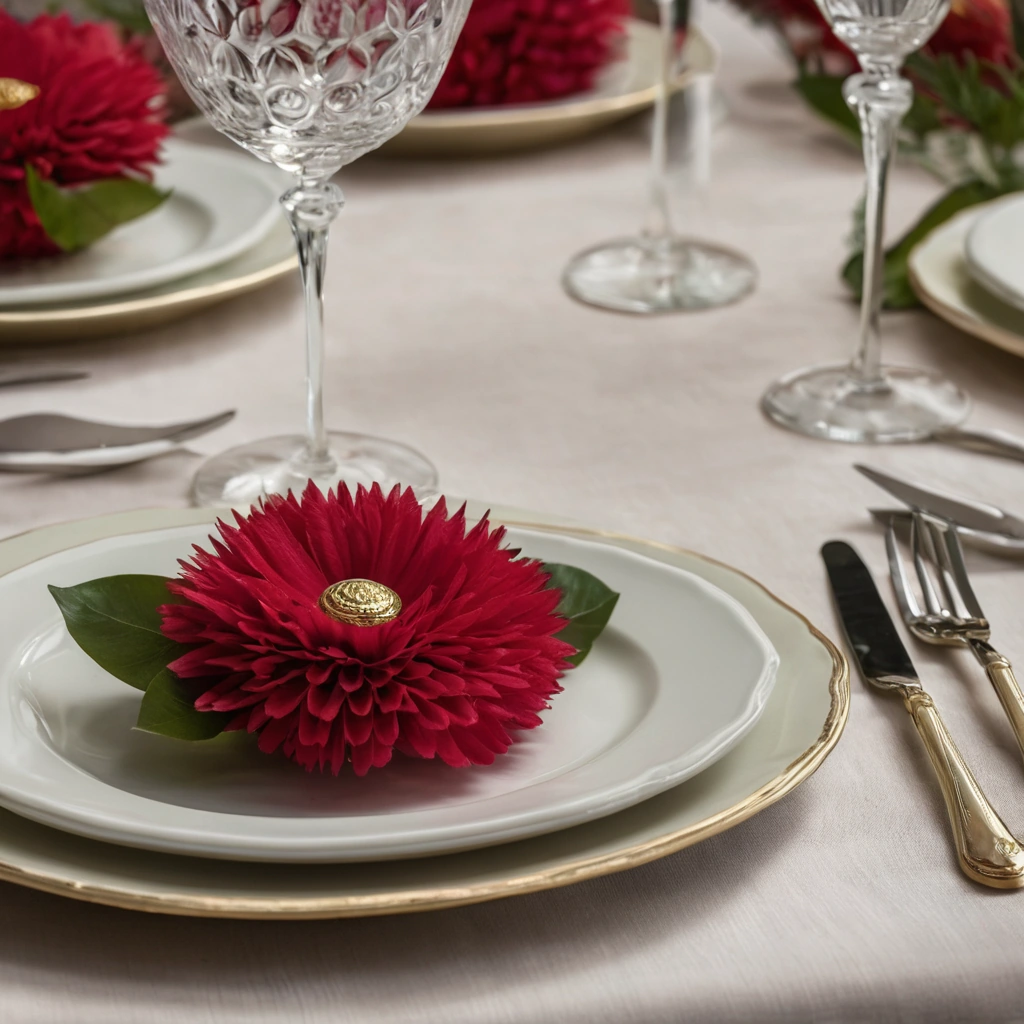
A strong concept can fail during setup if the order of work is unclear. Decide when tables are placed, linens laid, chairs positioned, floral vessels filled, and settings installed. If the florist needs to reach the center of a long table, allow access before the room is packed with chairs. If staff must move a finished arrangement, design a stable lifting point and a temporary holding place.
Keep a room schedule that shows the exact table and chair model, count, finish, linen, flower location, and responsible supplier. Mark water points, power, service routes, and waste collection. This schedule is less glamorous than a mood board but prevents one vendor's installation from blocking another's work.
After the event, removal should reverse the process carefully. Clear glassware and water before lifting textiles or dragging furniture. The U.S. CDC's facility-cleaning guidance distinguishes cleaning from added disinfection and recommends products suited to the surface. Venue cleaning procedures and manufacturer instructions govern the actual pieces. A rushed universal spray is not a substitute for those instructions.
Approve the whole scene, not separate samples
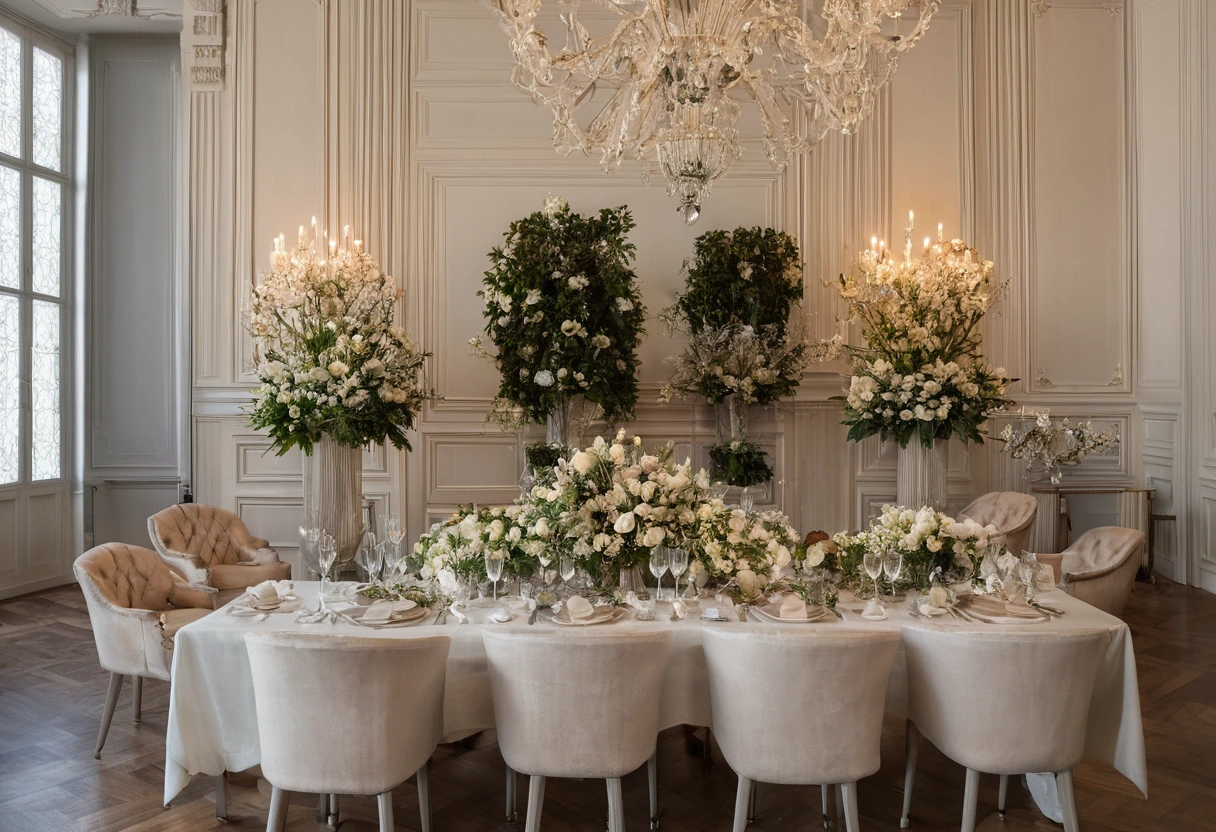
At the final review, sit at the table with the actual chair, linen, vessel, flowers, and place setting. Photograph it from several guest positions and from the main entrance. Check the view toward the event's focal point. Test a server's access and confirm that water and lighting equipment have safe positions.
Then make a short written record of any change: which flower height, vessel, chair, or linen was altered and why. A coordinated event design is not a collection of individually beautiful products. It is an arrangement that remains legible and practical while people use it.
If the florist proposes a replacement stem on the day, compare its color, scale, fragrance, and water needs with the approved sample. A substitute can be reasonable, but the decision belongs to the event lead and should be recorded before installation. It may change the table view even when the overall palette seems similar.